
High demand: We are experiencing a very large number of incoming orders. Expect longer lead-time than usual.
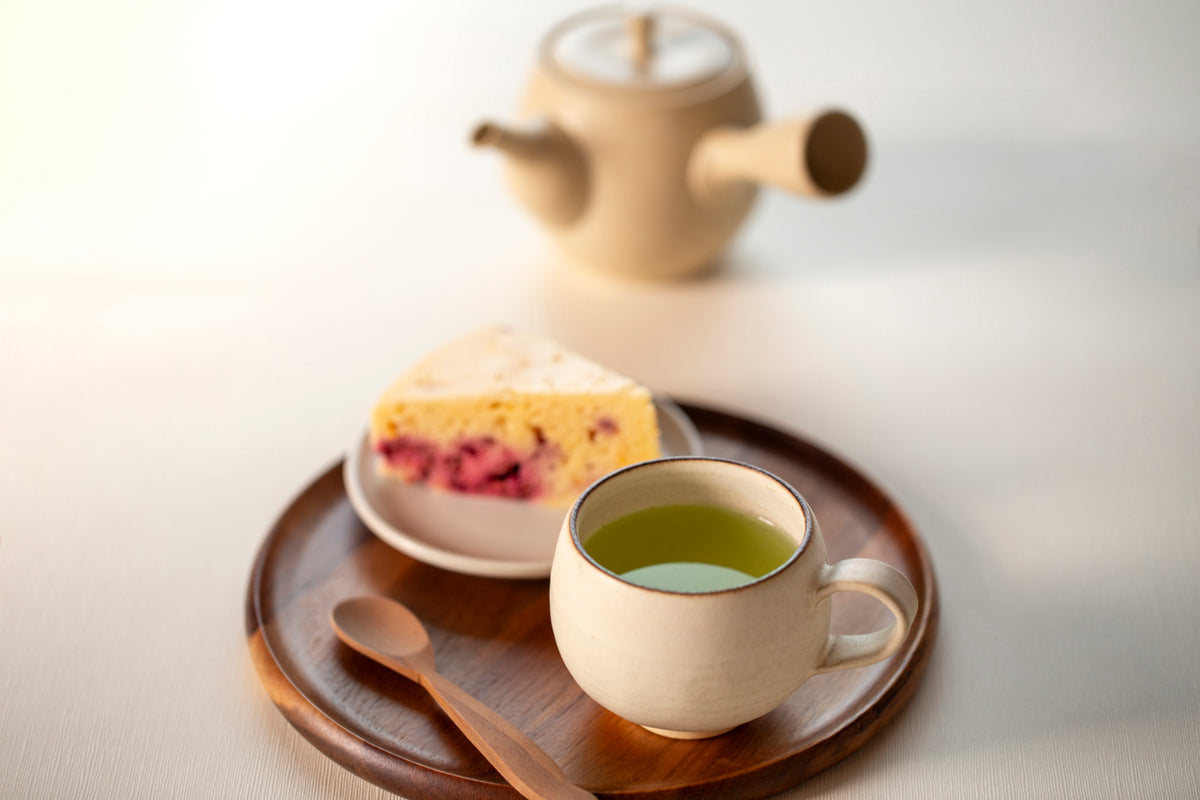
Featured product: Automn's Sencha


A Journey Through Japan's Seasons in Every Cup
Discover a harmonious fusion of seasonal flavors with our deep-steamed Fukamushi Sencha - Return of the 88th Night. This unique tea is a carefully curated blend of autumn hand-picked leaves, known for their refreshing astringency, and the vibrant umami taste of the first flush of spring, Ichibancha. The result is a rich and layered cup that captures the essence of Shizuoka’s famed tea fields.
Fukamushi Sencha undergoes a unique deep-steaming process, a hallmark of Shizuoka’s tea production. This method, which involves steaming the leaves longer than traditional sencha, results in a deeper color, a fuller-bodied taste, and a smoother texture.
The Significance of the 88th Night in the Japanese Tea Tradition
The “88th night” of May is a pivotal date in Japan's agricultural calendar. Spring tea leaves picked during this day is not only prized for its superior flavor but also thought to bring good health and prosperity for the coming year.
Around the Autumn equinox, the air and soil temperatures mirror the conditions of the “88th night” of May. Therefore the Autumn tea leaves picked around this time is called "Return of the 88th Night" and is thought to have similar qualities as the tea of the 88th night.
Harvested Along the Historic Tokaido
The tea fields that produce our Fukamushi Sencha are located along the Tokaido Nakayama Pass, a vital section of the old Tokaido route. The Tokaido was one of Japan’s "Five Highways" connecting Kyoto and Edo (Tokyo), used by travelers, merchants, and samurai for centuries. The scenic Nakayama Pass in Kakegawa City, known for its breathtaking views and challenging terrain, is also home to some of the region's best tea plantations. The fertile soil, combined with the unique climatic conditions of the Sayo-no-Nakayama area, contributes to the rich and complex flavors found in this sencha.


Blog posts
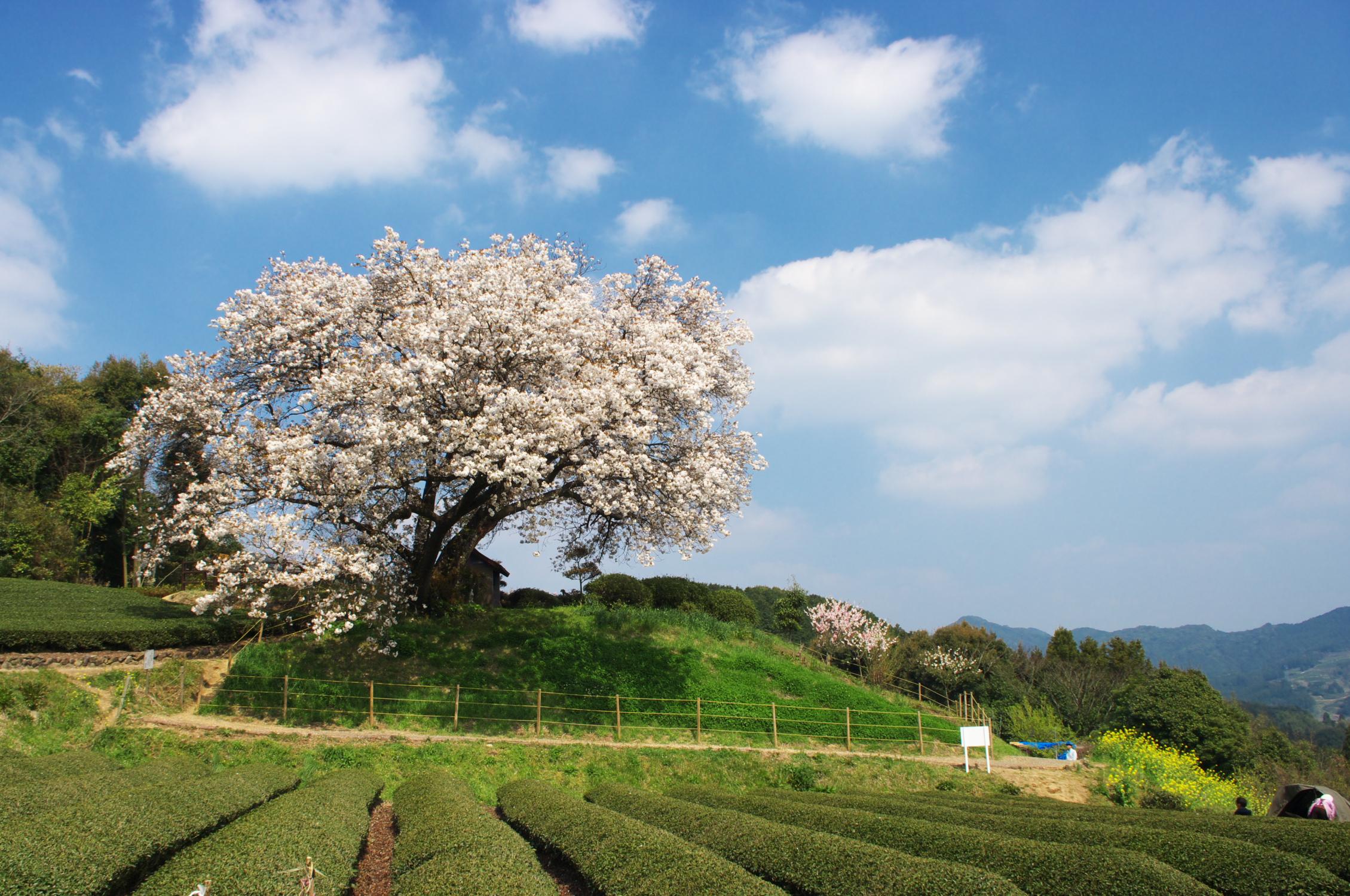
The Beginnings of Ureshino Tea
Ureshino tea, originating in the 15th century, owes its beginnings to Chinese potters who brought their tea-making traditions to Japan. The region is renowned for tamaryokucha, a distinctive green ...
Read more
Japanese tea is best brewed with soft water (about 30–80 mg/L hardness). Japan’s tap water generally falls within this range, making it suitable for highlighting the tea’s balance of umami, astring...
Read more
The Beginnings of Shizuoka Tea
Shizuoka Prefecture, the heart of Japan’s tea culture, has been cultivating exceptional teas for centuries. From Shoichi Kokushi’s first tea seeds in Ashikubo to the creation of the iconic Yabukita...
Read moreABOUT US

Our History
The brand name Chikiriya has a long history of more than 450 years. Chikiriya tea house itself was founded in 1854 in Kyoto and remains to this day a major actor in the tea industry of Kyoto.

Chikiriya Tea Shop
Chikiriya Tea Shop is located in the Hoko-cho (Takayama) area of the Gion Matsuri. The festival reaches its peak in middle July crowded with locals and tourists. We propose the best tea according to seasons and customer’s needs.

OUR BLOG
Explore our blog and uncover fascinating stories and insights about Japanese tea. From the fresh vibrancy of shincha to the health-boosting benefits of organic blends. Learn about the unique nutrients that make Japanese tea so special.
Let customers speak for us
From rich, dashi-like umami to a crisp, lingering finish across three brews.
Love it!

One of the best Matchas I have ever tasted!
Plus, the shipping is super fast and every communication with the shop is easy and very friendly.
I will order this again and again.

It is excellent cold brewed! Perfect when it's hot!

This one is my absolute favorite! Love it!

This one is fantastic cold brewed.

Excellent tea! Even better cold brewed, it develops a richer taste.

Delicious green tea, very vibrant and mellow with slightly nutty flavour.

Nice surprise
- This tea bring surprise into my pot. Nice flavour through all three shots, strong taste. Very well done!

Perfect value for the money...
tea for everyday use, whenever you need to uplift your mood...

The beast matcha I have ever had.
Such a delicate not muddy taste.

Great not strong flavour. Love it!

Very good! The best hojicha I've ever had!

This is such a convenient way of making matcha. Unlike other matcha shakers, this froths up without any lumps due to the included chasen-like whisk(?). Only complaint would be sometimes the matcha gets stuck in the rubber ring. Suggestion would be to indicate some sort of marking for the 20ml water needed to make the matcha.

Was skeptical at first how adding a mini chasen can make a difference. Now i'm MIND BLOWN!!! A regular mini matcha shaker definitely can't achieve the same results. SUBARASHII!!!
as usual with Fukamushi deep steamed green teas ,this also is bold and round yet mellow taste, , You can steep these leaves
up to tree times