

Article: Welcoming Winter with Obukucha
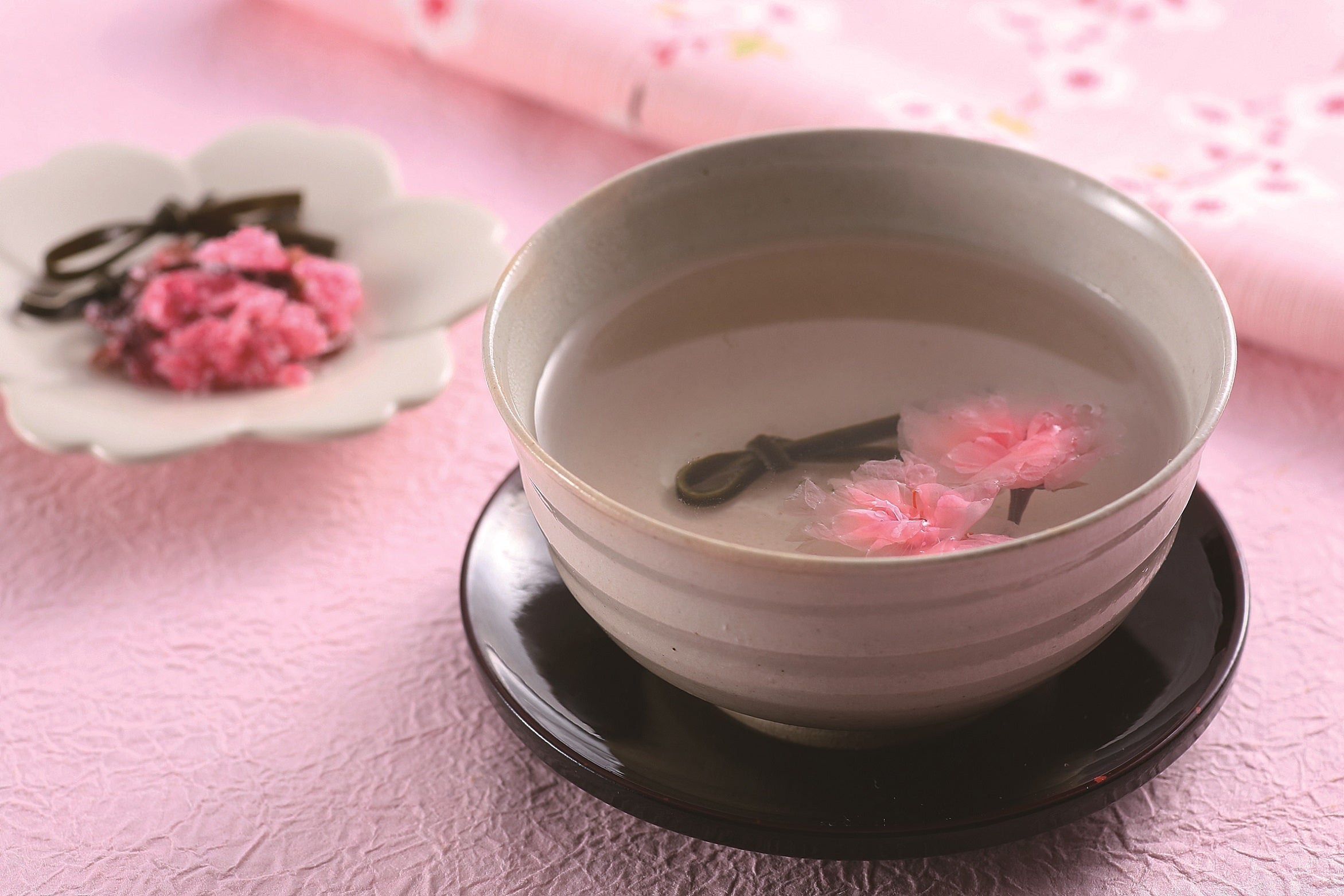
Welcoming Winter with Obukucha
When December settles in, there is a quiet shift that marks the arrival of true winter.

Trees stand bare against a pale sky, mornings sharpen into the frost, and each breath turns white in the cold air. As the year edges toward its close, the days feel like hurried and unhurried; filled with cleaning, preparing, and small moments of reflection.
Amid this seasonal stillness and anticipation, one tradition gently returns: Obukucha 大福茶, often translated as good fortune tea. This humble yet symbolic drink is enjoyed in the first days of the new year to welcome health, happiness, and luck.
A Tradition Rooted in Kyoto

The origins of Obukucha stretch back over a thousand years to the Heian period. In 951, when an epidemic swept through Kyoto, Kuya Shonin, the founder of Rokuharamitsuji Temple, offered visitors tea infused with ume (dried plum), and kombu (kelp). The combination was said to ease symptoms and restore the health of many, including Emperor Murakami. Moved by its effects, the emperor adopted the custom of drinking this tea at New Year's, establishing a tradition that continues to this day.
Ume was long believed to ward off misfortune, while kombu, associated with the word 喜ぶ (yorobuku), symbolised happiness. Together, they became a gentle prayer in the form of a drink.
How Obukucha is Enjoyed Today
In earlier centuries, the 'tea' may have been hot water poured over ume and kombu. Today, Obukucha typically features a soft, mild green tea such as Sencha, Bancha, or Genmaicha. A cup is prepared by placing a dried ume and a knotted piece of kombu into the vessel, then pouring the freshly brewed tea over them. For an added festive touch, fine gold flakes may be sprinkled on top - an elegant nod to celebration and good fortune.
The interplay of flavours is subtle yet memorable: the light saltiness of kombu, the gentle sourness of ume, and the comforting warmth of green tea merging into one harmonious sip. While traditionally enjoyed at the start of the new year, Obukucha is now also gifted for weddings, birthdays, and other milestones - any moment when good wishes are being offered.
A Winter Pause for Heart and Home
As the cold deepens and the turn of the year approaches, Obukucha becomes a gentle moment of stillness. It offers space to acknowledge the months that have passed, to gather quiet hopes for the ones ahead, and to let the simple warmth of the tea bring a bit of light into the winter season.
Inspired by the centuries-old tradition of Obukucha, this Sakura tea offers a thoughtful reinterpretation of the classic auspicious drink.
Lightly salted sakura flowers form the base, and knotted kombu, ingredients traditionally associated with protection, joy, and good fortune. Rather than following a fixed historical recipe, this blend honours the spirit of Obukucha: a tea prepared with intention, meant to mark meaningful moments.
Traditionally enjoyed at the beginning of the year, Obukucha symbolizes health and happiness. This sakura-based version extends that symbolism beyond the New Year, making it suitable for any time you wish to pause, reflect, or offer well-wishes.
Delicate, warming, and quietly celebratory, it is a tea to be shared with care.

Leave a comment
This site is protected by hCaptcha and the hCaptcha Privacy Policy and Terms of Service apply.