

The Balance between Sweets and Teas
In Japan, sweets are not simply desserts. When enjoyed with tea, they become part of a gentle rhythm: sweetness followed by bitterness, stillness followed by warmth - perfectly suited to the reflective mood of the holiday season.

Wagashi, traditional Japanese confections, were never meant to stand alone. Their role has long been to accompany tea, especially matcha, enhancing the experience rather than competing with it. This relationship, refined over centuries, reflects a distinctly Japanese approach to taste: subtle, restrained, and deeply connected to the moment.
Matcha and Sweetness in Balance
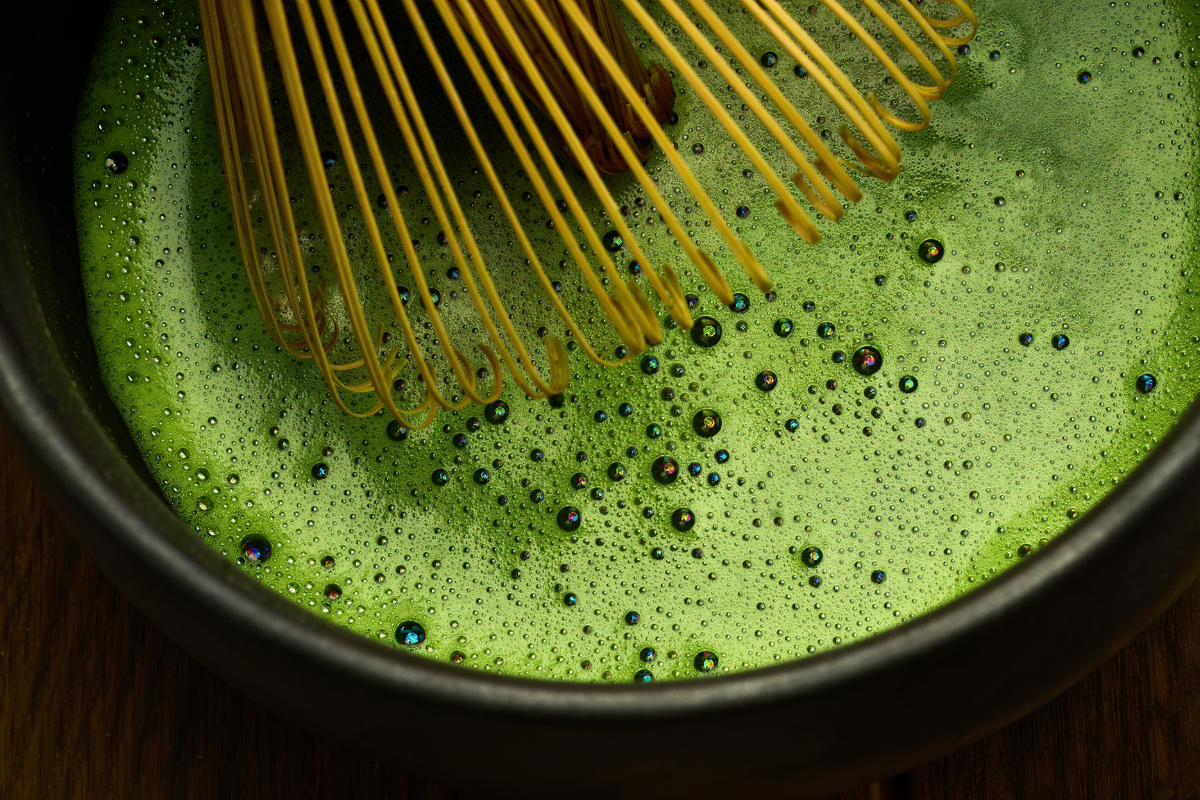
Matcha carries depth and intensity, with vegetal notes, umami, and a lingering bitterness that warms the body in colder months. Wagashi offer contrast, but never excess. Their sweetness is measured, designed to soften the edge of the tea while allowing its character to remain clear.

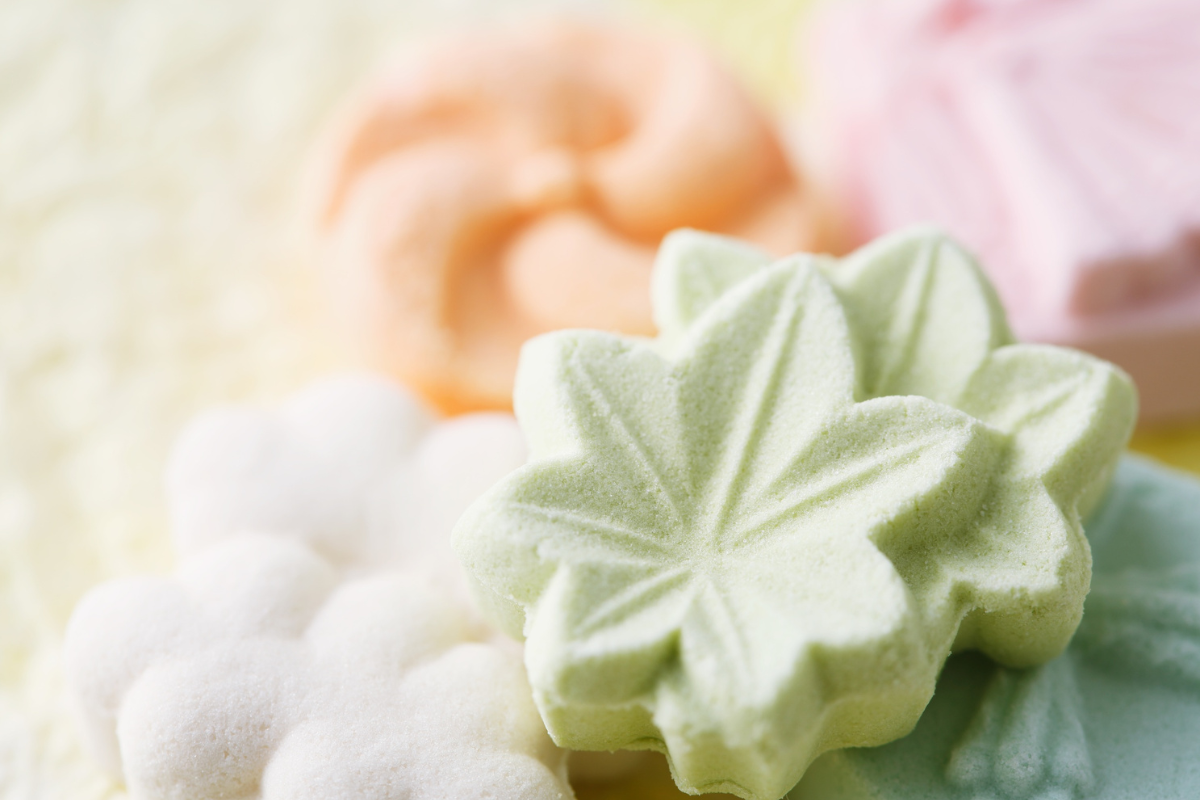
During winter, higashi (dry, low-moisture sweets) are especially appreciated. Light in texture and clean in flavour, they pair effortlessly with warm matcha, leaving the palate refreshed rather than heavy. Made from ingredients such as rice flour and sugar, they are intentionally delicate, often crumbly or melt-in-the-mouth, and shaped using wooden moulds that reflect the seasons.
The quiet refinement of Wasanbon
At the most refined end of higashi are sweets made with wasanbon, a traditional Japanese sugar produced from heirloom sugarcane in Shikoku. Wasanbon is prized for its ultra-fine texture and gentle sweetness, achieved through a meticulous process of kneading and washing that removes harshness while preserving natural depth.
When paired with matcha, wasanbon sweets do something remarkable: they soften bitterness without masking flavour, allowing matcha's umami and aroma to linger. This delicate interaction is why such sweets are often chosen for formal tea moments and year-end occasions. Their sweetness fades, leaving space for reflection.
Seasonality, reimagined
Wagashi are deeply seasonal. Their shapes, colours, and names change throughout the year, drawing inspiration from flowers, landscapes, weather, and cultural events. This visual language is as important as taste, anchoring the tea experience in a specific moment in time.
Whether inspired by snow, quiet landscapes, or the gentle warmth of the holidays, these sweets invite us to pause.
A Quiet Ritual
To enjoy wagashi with matcha is to slow down.
One sweet, one intentional sip of tea is enough.

This pairing is not about indulgence, but about attentiveness: noticing texture, temperature, aroma, and the way flavours unfold and fade. It's a reminder that sweetness does not need to be loud, and that true pleasure often lies in simplicity.
Enjoyed slowly, wagashi and matcha can become more than just refreshments, they form a ritual that offers calm, warmth, and a sense of presence in an increasingly hurried world.

Leave a comment
This site is protected by hCaptcha and the hCaptcha Privacy Policy and Terms of Service apply.