
At What Cup Does Matcha Become Performance Art?
Early in the morning, before anyone even reaches for a teabag, someone has already whisked up matcha. By the afternoon, dessert shops, whether in Tokyo, Osaka, or Kyoto, are filled with ''limited matcha specials''. Late at night, the convenience store fridge is lined with matcha latte, matcha ice cream, matcha financier, and even matcha beer, all perfectly arranged as if urging you, ''Go on, take one more.''
So naturally, someone eventually asks:
How many cups of matcha does it take before we start being... performative and delicate?
It sounds like a Gen Z joke, but it also says something about the role matcha plays in our lives. Across the globe, from Uji in Kyoto to New York, United States, to Melbourne, Australia, matcha carries a kind, gentle, symbolism.

By cup 3, your tone softens up; by cup 5, your sentences get a little melodic; by cup 7, your steps feel lighter. Friends tease: Matcha isn't just a tea, it is skincare for the soul. Drink it, and it is like adding a soft focus filter to your personality.
What makes it funnier is how effortlessly stylish people look while drinking it. Take any city: Tokyo's cafe crowd, Osaka's lively trend seekers, or Kyoto's serene locals. When they lift a cup of matcha, it's like they're performing a tiny tea ceremony. That's the charm of matcha, it won't get you drunk, but somehow it makes you feel softer, calmer, and strangely elegant.
Now, about that question:
How many cups a day does it take to turn ''soft''?
If you were to sample every matcha drink sold in Japan from morning to night, you could easily clear ten cups. At that point, you wouldn't just ''soften'', you might just transform into matcha itself. A green shimmer in your hair, a gentle tea aroma in your breath, a Kyoto infliction slipping into your words. People might just assume you wandered straight out of an Uji tea field.
But, this whole ''performative'' or being ''delicate'' idea is nothing more than an exaggerated joke. The real effect of drinking matcha is simple: it nudges you toward gentleness.
The subtle bitterness grounds you, the silky foam slows you down, and the whole experience reminds you to breathe. Over time, the calm gets misread as something ''feminine''. But really, it's just Japan's talent for turning small daily habits into a miniature philosophy.
Eventually, you will realise that matcha isn't just a drink.

It is a quiet cue, a way to stay composed, patient, and a little more refined - whether you're in a rush hour Osaka train or wandering through a Tokyo alley. Outsiders joke that too much matcha can change your personality, but what everyone is really drinking is a shared cultural softness: a gentle green shield against everyday chaos.
So... how many cups does it take to ''soften'' someone?
Honestly, none at all.
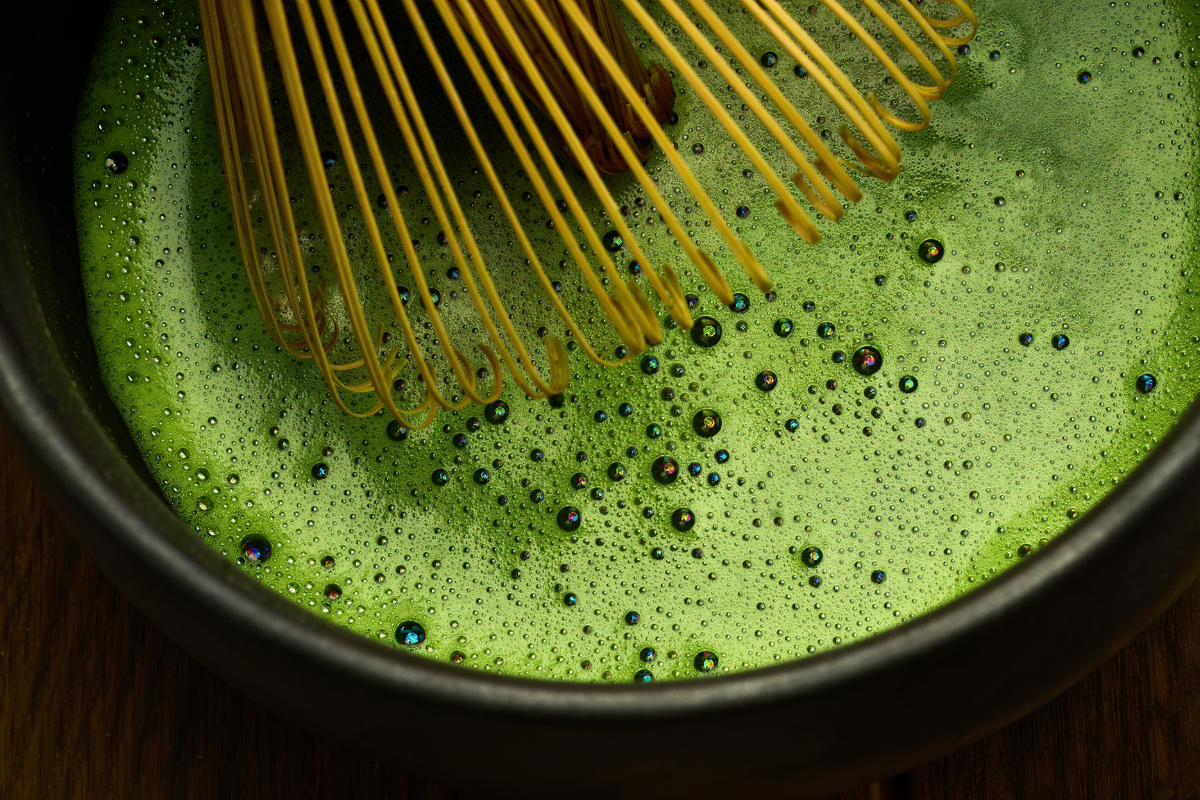
Just being surrounded by matcha in your daily life, whether through cafes, social media, or the little rituals you build at home, is enough to shift your mood. A whisk, a cup, o a quiet moment... and suddenly everyone feels a bit gentler.
In the end, matcha doesn't change who you are. It simply adds a soft, charming layer to the day, the kind that makes you breathe slower, speak lighter, and carry yourself with a touch more calm.

Leave a comment
This site is protected by hCaptcha and the hCaptcha Privacy Policy and Terms of Service apply.