
Kyōbancha
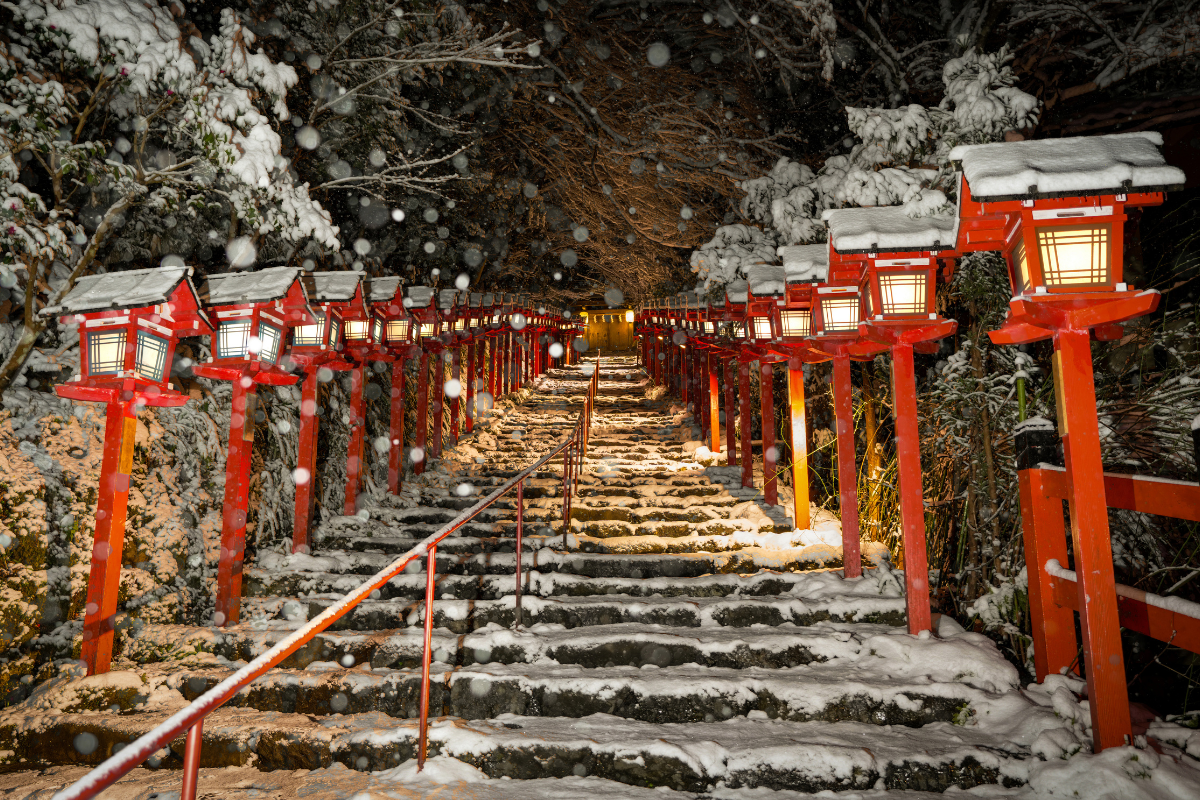
When winter settles over Kyoto and the air turns crisp enough to sting your fingertips, there's one aroma that instantly brings comfort: the soft, smokey warmth of Kyōbancha rising from a steaming cup. This rustic, slow-roasted tea has been a cold season companion for Kyoto families for generations: something brewed in big pots, shared around the table, and sipped to chase away the chill.
Kyōbancha isn't a tea that demands ceremony. It's a tea that feels like pulling a thick blanket around your shoulders. With its toasty fragrance, mellow sweetness, and whisper of wood smoke, it captures the quiet, restorative mood of winter days. Those moments when you pause, warm your hands on the cup, and just breathe.

But, Kyōbancha is just one branch of the broader bancha family, an umbrella term for teas made from mature leaves harvested later in the season. And just like regional cooking styles, bancha varies widely depending on where it's made. Each region has shaped its own version using local techniques, climate, and traditions, resulting in teas that share a name but carry different personalities.
Kyoto Bancha (Kyōbancha)
Kyoto's take on bancha is perhaps the most widely recognised. Large, mature leaves are steamed whole, dried without rolling, and then roasted. During the roasting process, smoke naturally curls around the leaves, giving Kyōbancha its distinctive, comforting aroma, something between warm wood and toasted grain. It's simple, rustic, and deeply tired to everyday life in Kyoto, especially in the colder months.
Mimasaka Bancha

From Okayama comes Mimasaka Bancha, a tea with an almost nostalgic, countryside feel. Here, the leaves are harvested together with the branches, steamed, and then spread on a mat to dry under the sun. Throughout this process, the tea is occasionally moistened with the very both in which the leaves were steamed, a practice that imparts a gentle depth and a subtle savoury note. The result is a tea that tastes unmistakably of its region: earthy, honest, and sun-kissed.
Awa Bancha (Awa Evening Tea)

Tokushima's Awa Bancha stands apart from others, not just in flavour but in method. Instead of steaming whole leaves and drying them as is, the leaves are boiled in a kettle, rolled and then soaked in a tub where they undergo lactic acid fermentation. After this slow, tangy transformation, the leaves are laid out to dry in the sun. Because its production is so different from typical bancha, you will sometimes see it written in alternate characters but its identity is distinct: Awa Bancha is smooth, lightly sour, and refreshing unique.
Brewing Kyōbancha: Simple, Cosy, and Winter-Ready
One of the charms of Kyōbancha is how forgiving it is. This is not a tea you fuss over, its rustic character actually shines when brewed generously and enjoyed in big, warming cups. In Kyoto, it's common to prepare a large pot and let it gently simmer so the whole household can enjoy it throughout the day.
Here's how to bring out its best, especially in the colder months:
-
Use plenty of leaves
Kyōbancha is made from large. mature leaves that don't release flavour as quickly as young spring leaves. Using a generous amount, about 10-15g for a medium pot, helps coax out its toasty aroma and mellow sweetness.
-
Hot boiling water is your friend
Unlike delicate sencha, Kyōbancha welcomes boiling water. Pouring water around 95 - 100℃ helps draw out the roasted character and that soft, smokey note that feels perfect for winter.
-
Give it time
A longer infusion, about 3 to 5 minutes, allows the leaves to fully open and the release their warm, comforting flavours. If you prefer a deeper roastiness, let it steep even longer. Kyōbancha rarely turns bitter.
-
Or make it the Kyoto way: let it simmer
For a richer, rounder taste, place the leaves directly into a pot of water and let them gently simmer for 5 to 10 minutes. This method fills your kitchen with the nostalgic scent of roasted tea and creates a brew that feels especially grounding on cold days.
-
Rebrew freely
Kyōbancha is sturdy. You can easily rebrew it several times, especially if simmering. Each infusion becomes a little softer and sweeter, like the slow fade of a winter afternoon.
-
Enjoy it throughout the day
Since Kyōbancha is low in caffeine, it's perfect for evening cups, cosy nights in, or sharing with family after dinner. Its warmth lingers without overstimulating - one more reason it's beloved during winter.
A Winter Classic Worth Rediscovering
As the days grow shorter and the cold settles in, Kyōbancha becomes more than just a cup of tea, it becomes a small daily ritual. Its soft smokiness, gentle warmth, and unpretentious character invites you to slow down and reconnect with the quieter moments of winter.
When you place it alongside the wider world of regional bancha, from the sun-dried earthiness of Mimasaka Bancha to the tangy, fermented charm of Awa Bancha; you begin to see just how diverse and culturally rich this humble category of tea truly is. Each region tells its own story, shaped by climate, craftsmanship, and centuries-old habits that endure even today.
Kyōbancha happens to be Kyoto's story: simple, comforting, and deeply rooted in home life. Whether you brew it the classic way or simmer it in a winter pot, it's a tea that feels like warmth itself.

Ready to Try It This Winter?
Our Kyōbancha in teabags is perfect for cosy evenings, winter gatherings, or anyone looking to explore a more rustic side of Japanese tea culture. Feel free to pick up a pack and bring a taste of Kyoto's winter warmth into your home.

Leave a comment
This site is protected by hCaptcha and the hCaptcha Privacy Policy and Terms of Service apply.